Your domain name is your address on the internet. It is the first thing people see, the last thing they type, and a silent signal of trust every single time someone visits your site. Get it right, and it becomes one of your most valuable brand assets. Get it wrong, and it can quietly cost you customers, credibility, and search rankings for years.
This guide walks you through everything you need to know about how to choose the perfect domain name for your business in 2026, with practical, actionable tips you can use today.
Why Your Domain Name Matters More Than Ever in 2026
The domain landscape has changed dramatically. Over 350 million domain names are registered worldwide, which means most short, catchy .com names are already taken. At the same time, new domain extensions like .ai, .tech, .store, and .co are gaining popularity, giving businesses more creative options than ever before.
Beyond availability, your domain name affects:
- Brand perception: a clean, memorable domain instantly signals professionalism
- SEO performance: domain authority and relevance influence search rankings
- Trust and click-through rates: users are more likely to click a domain they recognize and trust
- Long-term brand equity: changing your domain later is costly and disruptive
In short, choosing the right domain name in 2026 is a strategic decision, not just a technical one.
Also read: NET::ERR_CERT_COMMON_NAME_INVALID
1. Start With Your Brand, Not Your Keywords
One of the most common mistakes new business owners make is trying to cram keywords into their domain name. The logic seems sound: “If I sell shoes in Chicago, surely chicagocheapshoes.com will help me rank on Google.”
It will not, at least not the way you think.
Search engines in 2026 are sophisticated enough to understand what your website is about without keyword hints in the URL. Exact-match domains (EMDs) have lost much of their SEO advantage and can even trigger spam signals if they appear low-quality.
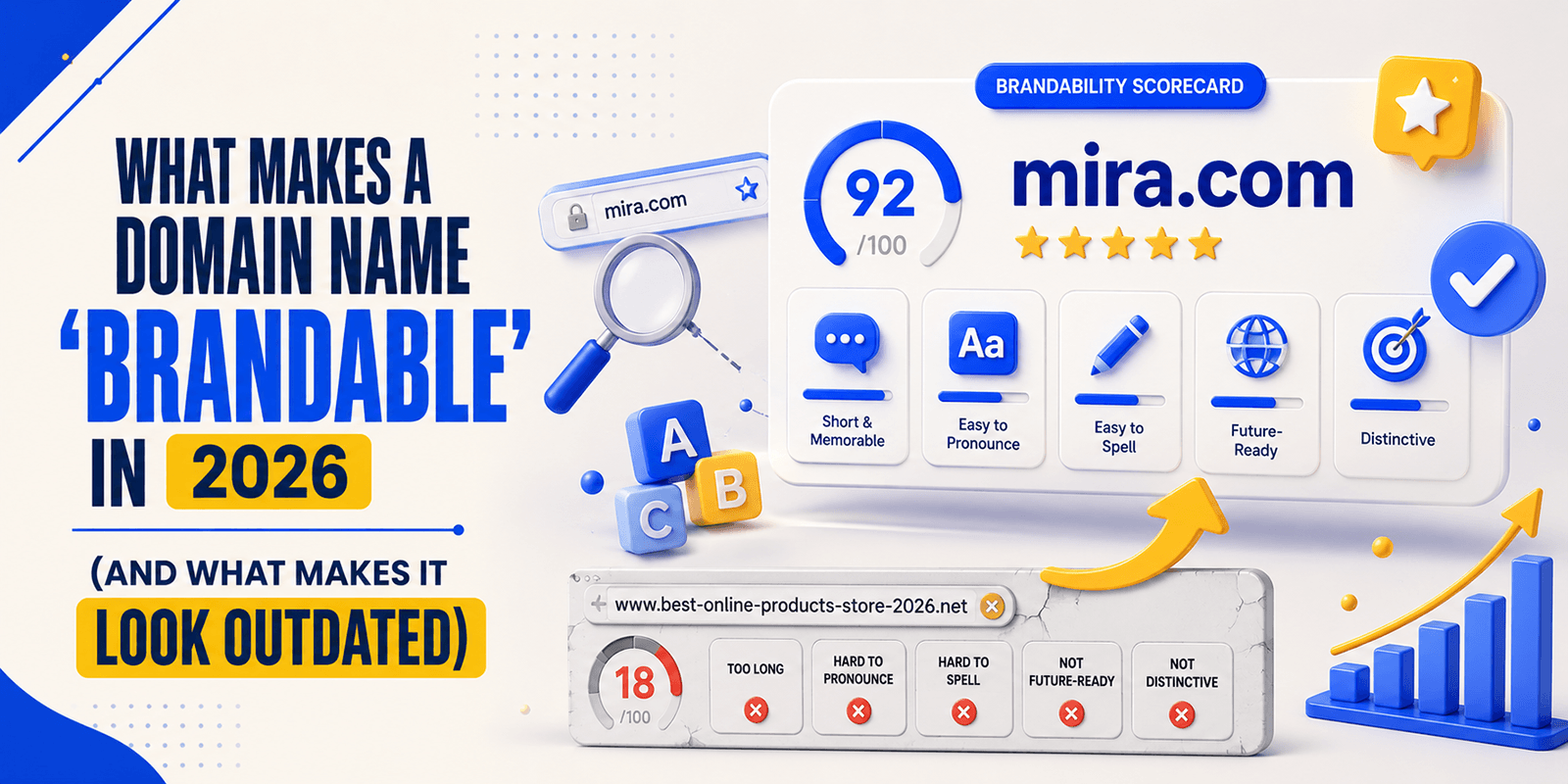
What actually works? A brandable domain name, one that is short, unique, and memorable. Think Google, Spotify, Shopify. None of these names tells you what the company does. All of them are instantly recognizable.
What Makes a Domain Brandable?
- Easy to say out loud (passes the “radio test”)
- Easy to spell after hearing it once
- No hyphens, numbers, or unusual spellings
- Feels energetic, trustworthy, or relevant to your industry
- Short, ideally under 15 characters
Pro tip: Say your domain name out loud to five people who know nothing about your business. If any of them hesitate or misspell it when asked to write it down, keep brainstorming.
2. Keep It Short and Easy to Type
Length matters. A lot.
Studies of the world’s top-visited websites consistently show that the average domain name is just 6 to 14 characters long. The shorter your domain, the easier it is to remember, share, and type on a mobile screen.
Avoid These Common Length Mistakes
- Hyphens: “best-domain-names.com” is awkward to say and easy to forget
- Numbers: “domain4you.com” creates confusion, is it the numeral 4 or the word “for”?
- Double letters: “dommainnews.com” becomes a typo waiting to happen
- Unusual spellings: If you have to explain how to spell it, it is the wrong name
The goal is frictionless. Every extra character, every hyphen, every confusing spelling is a small barrier between your audience and your website. Remove all the barriers you can.
Also read: HTTP Error 431
3. Choose the Right Domain Extension (TLD)
The TLD, or top-level domain, is the suffix at the end of your domain name (.com, .net, .org, .ai, etc.). And in 2026, your choice of TLD says more about your brand than ever before.
.com, Still the Gold Standard
.com remains the most trusted and widely recognized extension in the world. When people cannot remember a URL, they default to typing .com. If you can get a clean, memorable .com domain, do it.
When to Consider Alternative Extensions
If your ideal .com is taken, do not settle for a confusing variation. Instead, consider these modern alternatives:
- .ai: perfect for AI tools, tech startups, and SaaS platforms. One of the fastest-growing TLDs in 2026
- .co: a widely accepted global alternative to .com, popular with startups and entrepreneurs
- .tech: ideal for technology companies, developers, and digital agencies
- .store / .shop: purpose-built for ecommerce businesses; signals intent immediately
- .io: popular among B2B SaaS and developer tools
- .org: best suited for nonprofits, foundations, and community organizations
- .net: a solid fallback for networking and infrastructure businesses
Important: Avoid cheap, unfamiliar TLDs just to save money. Extensions like .biz or .info can carry a low-trust stigma that undermines your brand credibility.
4. Check Availability Across Social Platforms Too
Here is a step most people skip, and regret later.
Before you register your domain name, search for that same handle on Instagram, X (Twitter), LinkedIn, Facebook, and YouTube. Your domain and social media handles should match as closely as possible for brand consistency.
Use free tools like Namechk or KnowEm to instantly check username availability across dozens of platforms at once. If your domain name is available but every social platform is taken, you will face a branding headache from day one.
What To Do If There Is a Conflict
- Try a slight variation: add “HQ”, “Official”, or “Get” as a prefix or suffix
- Choose a different domain entirely that is available across all channels
- Register the domain and adjust social handles slightly for consistency
Also read: Connect Your Domain to WordPress, Wix, or Shopify
5. Run a Trademark Check Before You Register
This is the step that separates careful business owners from those who face expensive legal headaches down the road.
Before registering any domain, search the trademark databases in your target markets. In the US, use the USPTO’s TESS database. In the EU, check EUIPO. In other countries, consult the relevant national trademark office.
Registering a domain that infringes on an existing trademark can result in forced cancellation, legal fees, and loss of the domain, even if you registered it in good faith.
Pro tip: Once you register your domain, consider trademarking your own brand name too. This protects you from competitors or bad actors registering similar domains to divert your traffic.
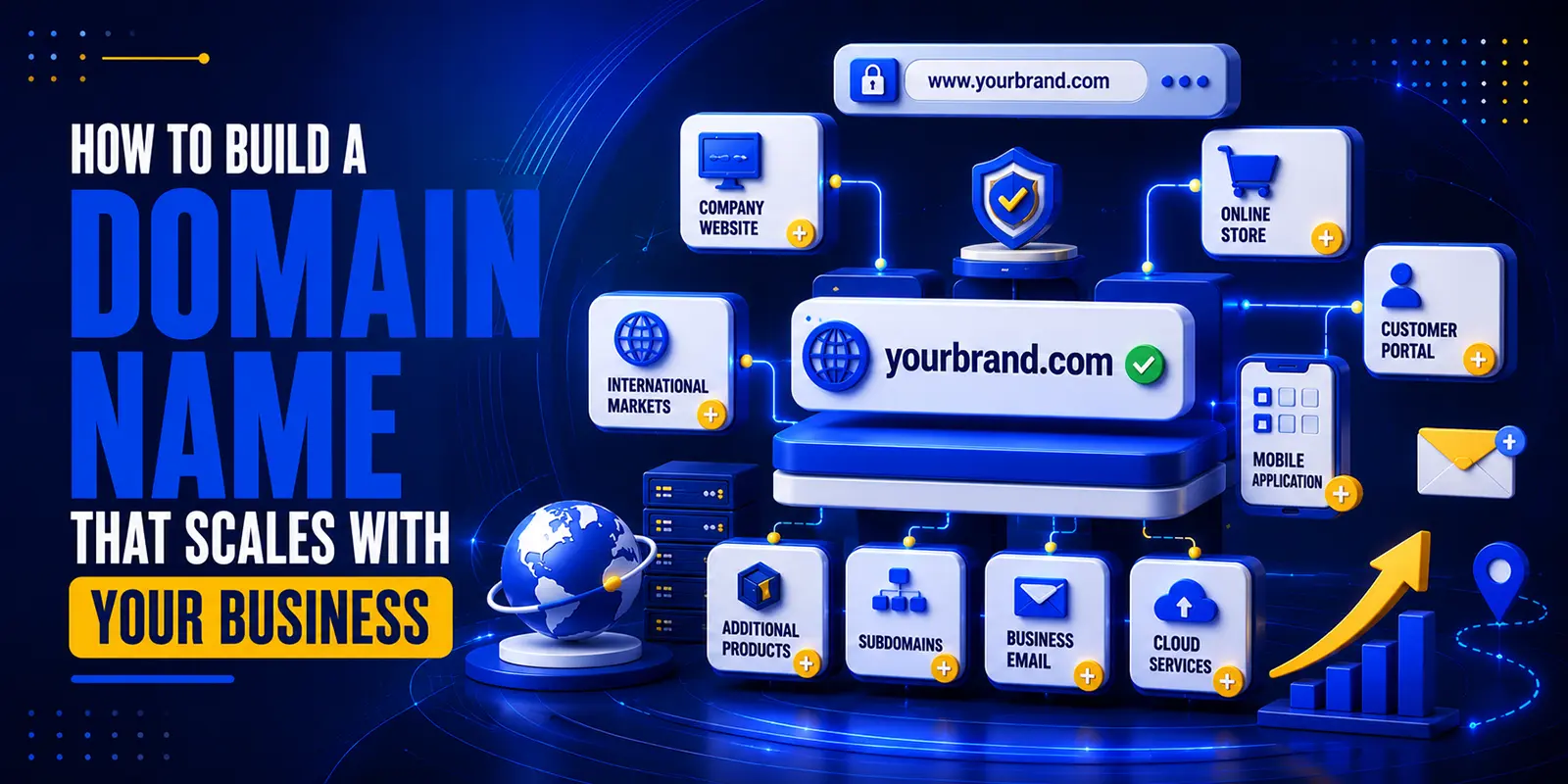
6. Think Long-Term: Choose a Domain That Scales
The domain name you register today should still make sense five years from now.
A common trap: registering a hyper-specific domain that boxes you in. If you start as a dog grooming business and register “manchesterdoggrooming.com”, what happens when you expand services to cat grooming, or move to a different city?
Ask yourself these questions before locking in a name:
- Will this domain still represent my brand if I expand my product line?
- Does it tie me to a location I might outgrow?
- Is it flexible enough to accommodate pivots or growth?
- Would I be proud to put this on a business card in 10 years?
The best domain names are broad enough to grow with you, specific enough to establish identity, and timeless enough to last.
Also read: What to Do After Buying a Domain Name
7. Protect Your Brand: Register Domain Variations
Once you have your perfect domain, do not stop there.
Register common misspellings, plural versions, and alternative TLDs of your primary domain. This prevents competitors from scooping them up, stops typosquatters from stealing your traffic, and protects your brand from confusion.
For example, if your primary domain is “haversack.com”, also register:
- haversacks.com (plural)
- haversak.com (common misspelling)
- haversack.co and haversack.net (TLD variations)
Set all variations to redirect to your main domain. This is affordable brand insurance that costs a few dollars per year and can save you enormous headaches.
8. Do Not Wait: Register Your Domain Immediately
Good domain names disappear fast. Thousands of domains are registered every hour. If you find one that perfectly fits your brand, register it today. Do not sleep on it.
Many entrepreneurs have experienced the gut-punch of finding their ideal domain taken after just a few days of deliberation. Domain investors and bots actively monitor search trends and snatch up names quickly.
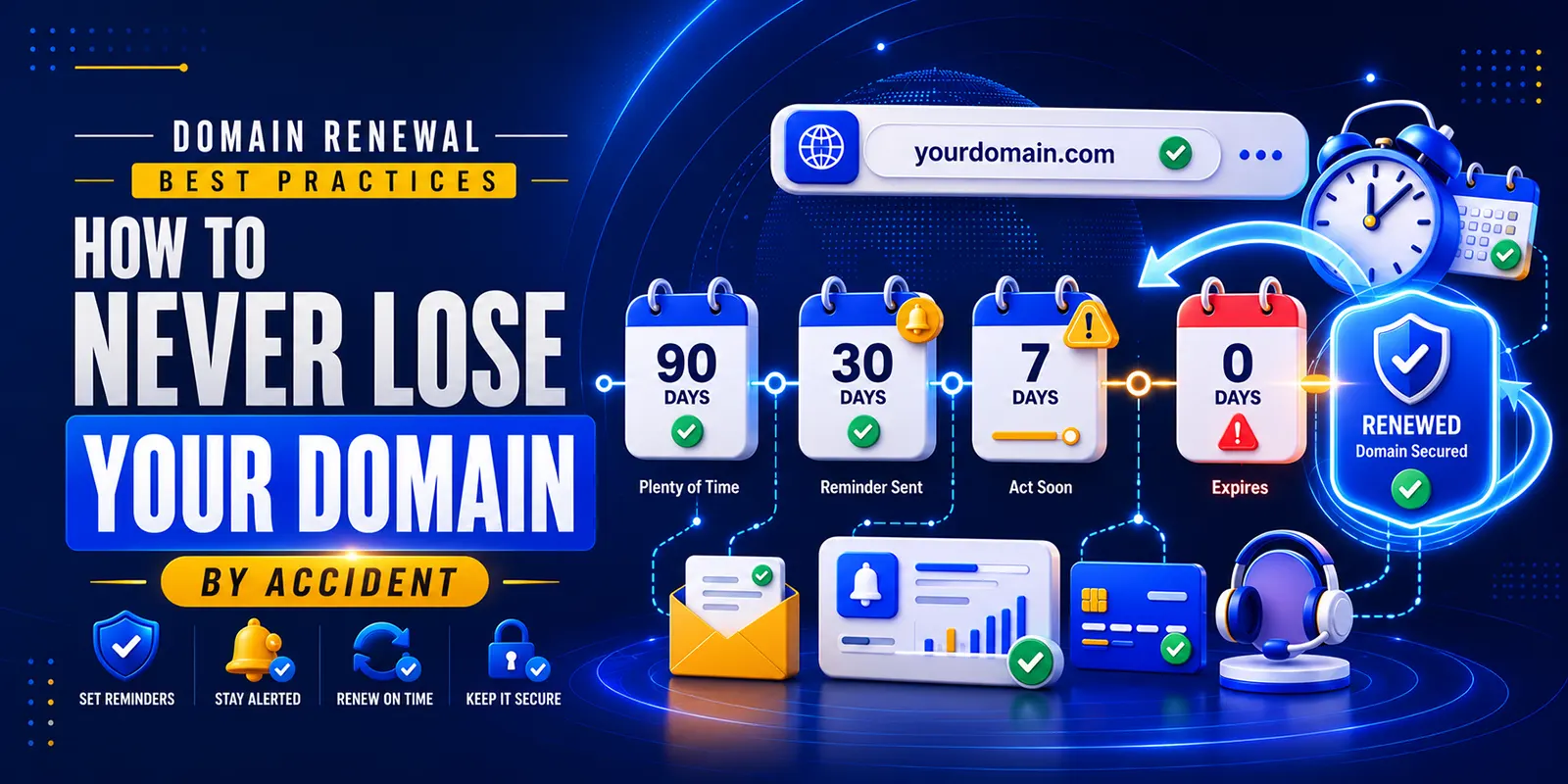
Once you register, consider these renewal best practices:
- Register for multiple years upfront to lock in current pricing and avoid higher renewal rates
- Enable auto-renewal so you never accidentally lose a domain due to a missed deadline
- Keep your registrar contact information up to date so renewal notices reach you
What If Your Ideal Domain Name Is Already Taken?
It happens to almost everyone. Here is what to do:
Option 1: Try a Different TLD
If “brandname.com” is taken, “brandname.co” or “brandname.ai” may be available, and in 2026, these extensions carry real credibility.
Option 2: Use a Creative Modifier
Add a word that enhances rather than dilutes your brand: “Get,” “Try,” “Use,” “HQ,” “App,” or “Official” are commonly used. For example: getbrandname.com, brandnamehq.com, trybrandname.com.
Option 3: Buy the Domain on the Aftermarket
If the domain is owned but not actively in use, you may be able to purchase it. Domain marketplaces like Sedo, Afternic, and Dan.com connect buyers and sellers. Premium domains can range from a few hundred to millions of dollars, but many reasonable names are available for a few thousand.
Option 4: Use an Expired Domain
Domains expire every day when owners forget to renew. Expired domains sometimes carry existing SEO authority, backlinks, age, and trust, which can give your new website a head start in search rankings.
Also read: How Long Does a Domain Transfer Take?
The Perfect Domain Name Checklist for 2026
Before you register, run through this quick checklist:
- Is it short (under 15 characters)?
- Is it easy to say, spell, and remember?
- Does it pass the “radio test”? Can someone hear it and type it correctly?
- Does it avoid hyphens, numbers, and unusual spellings?
- Have you checked trademark databases?
- Is it available on major social platforms?
- Does the TLD fit your brand and industry?
- Does it scale with your future business plans?
- Have you registered key variations and misspellings?
Frequently Asked Questions
How long should a domain name be?
Aim for 6 to 15 characters, not including the extension. Shorter is almost always better; it is easier to remember, type, and share.
Does my domain name affect my Google ranking?
Your domain name alone does not directly determine rankings. However, factors like domain age, authority, trustworthiness, and relevance all contribute to overall SEO performance over time.
Should I always choose a .com domain?
If a clean, brandable .com is available, yes, it is still the most trusted extension globally. But if it is not, modern alternatives like .co, .ai, .tech, or .store are completely legitimate and widely respected in 2026.
Can I change my domain name later?
Yes, but it is costly. Changing your domain after building an audience means losing SEO authority, updating all your marketing materials, and potentially confusing your existing customers. Choose carefully from the start.
What is the best domain registrar in 2026?
Popular, reputable registrars include Namecheap, GoDaddy, Cloudflare, and Google Domains. Look for transparent renewal pricing, free WHOIS privacy protection, and reliable DNS management tools.
Final Thoughts
Choosing the perfect domain name is one of the most important decisions you will make for your online business. It shapes your brand identity, influences your SEO, and sets the tone for every customer interaction that follows.
The good news: with the right approach, it does not have to be overwhelming. Start with your brand vision. Keep it short and memorable. Pick a TLD that fits your audience.
Protect your name by registering variations. And once you find the right domain, register it immediately.
Your domain is not just a URL. It is the foundation of everything you build online. Make it count.
Ready to find your perfect domain name?
Search for available domain names at HashedDomains.com and register yours today before someone else does.